E-bikes and E-Motos, there is a big difference!
Is your ride legal?
There are so many new types of e-mobility options out there and many people are asking, are they all legal? Are they safe? My child is begging for an e-bike! But are they asking for an e-bike or an e-moto?
There’s a big difference between the electric bicycle and the electric motorcycle and it’s very important you know the laws surrounding them. Electric assisted bicycle means a bicycle equipped with fully operable pedals and an electric motor of less than seven hundred fifty (750) watts and meets one of the following requirements:
- (a) Class 1 electric-assisted bicycle means an electric assisted bicycle equipped with a motor that provides assistance only when the rider is pedaling and ceases when the rider stops pedaling or when the bicycle reaches the speed of 20 miles per hour.
- (b) Class 2 electric assisted bicycle means an electric assisted bicycle equipped with a motor that may be used exclusively to propel the bicycle and that is not capable of providing assistance when the bicycle reaches the speed of 20 miles per hour.
- (c) Class 3 electric assisted bicycle means an electric assisted bicycle equipped with a motor tha provides assistance only when the rider is pedaling and ceases when the rider stops pedaling or when the bicycle reaches the speed of 28 miles per hour.
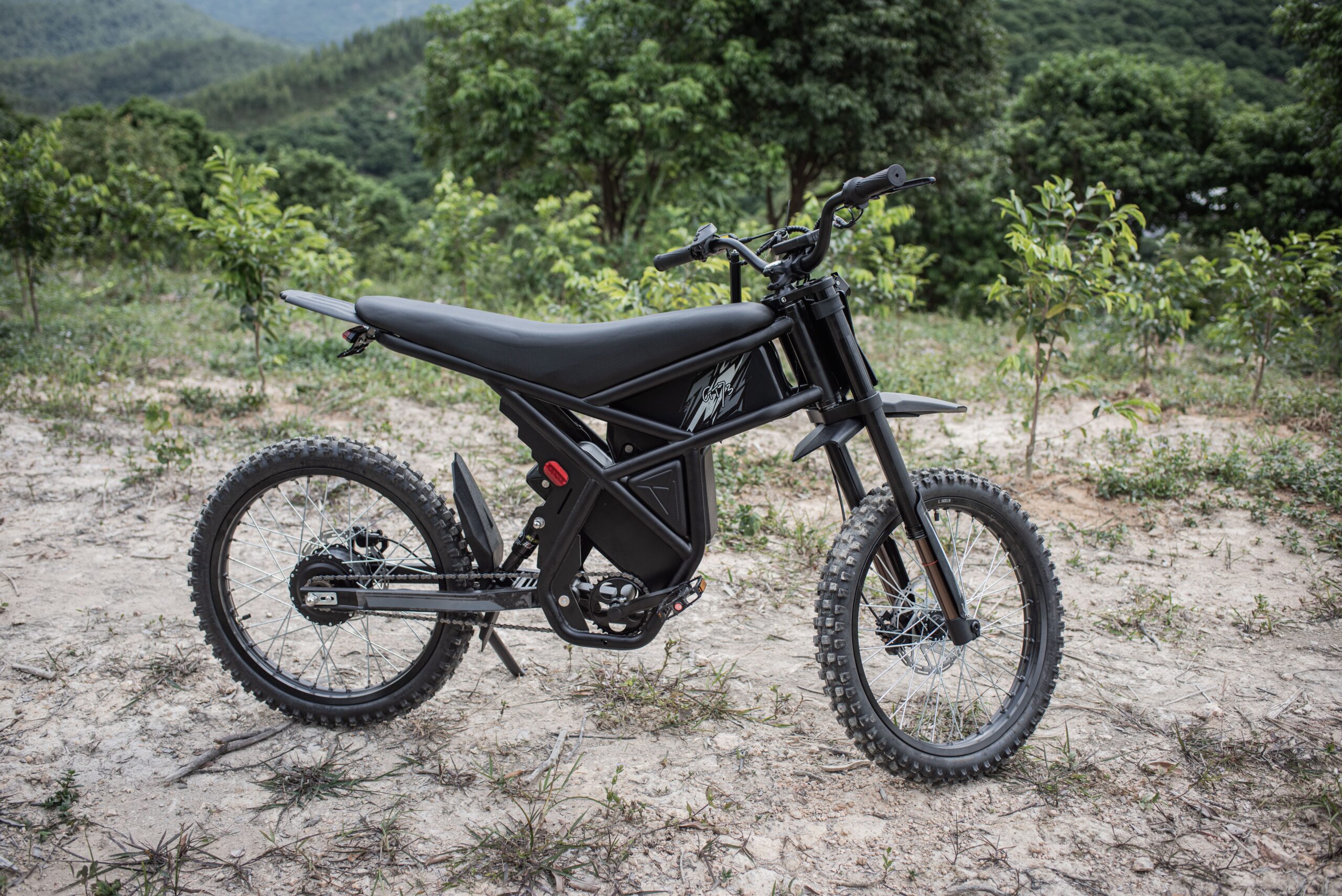
These defined types of ebikes fall under Idaho Statutes 49-106 and 49-714 through 49-729. It is very important to understand that these codes do NOT cover e-motorcycles. An e-motorcycle or e-moto is not defined as a bicycle, though it may “look” like one, with pedals and a chain. It must be understood that the pedals have to be operational and the motor must be 750 watts or below.
We have been seeing a lot of young people riding on hybrid e-bikes, which look like small motorcycles. Some common brands include Juiced, Kingbull, Razor, lectric, and more. It is important to understand where these hybrid e-motos fit into state and local codes. Municipalities across Idaho are cracking down on the higher powered electric motorcycles, so it’s essentially “buyer beware.” Working with a local shop that can help you make a safe and legal decision on a purchase is the only way to ensure you’re following current law and providing transportation that is safe for a younger person to use.
Our program has an e-bike safety lesson that’s very in-depth and purposefully built to make sure you understand what is required with any type of e-mobility purchase and we’re glad to bring it to your school or group. Get in touch with us today!
And for what it’s worth, a helmet is absolutely necessary, and so are real shoes. Student injuries with these types of devices have ranged from very mild to fatal. We do not want anyone to get hurt on these devices, so PLEASE make sure all safety precautions are taken before ever leaving for a ride.
As always, ride safe and keep the rubber side down.
Lisa Brady
Program Director, Safe Routes to School